
HOA Fees Explained for Downsizers: What’s Included and What’s Not
HOA Fees Explained for Downsizers: What’s Included and What’s Not
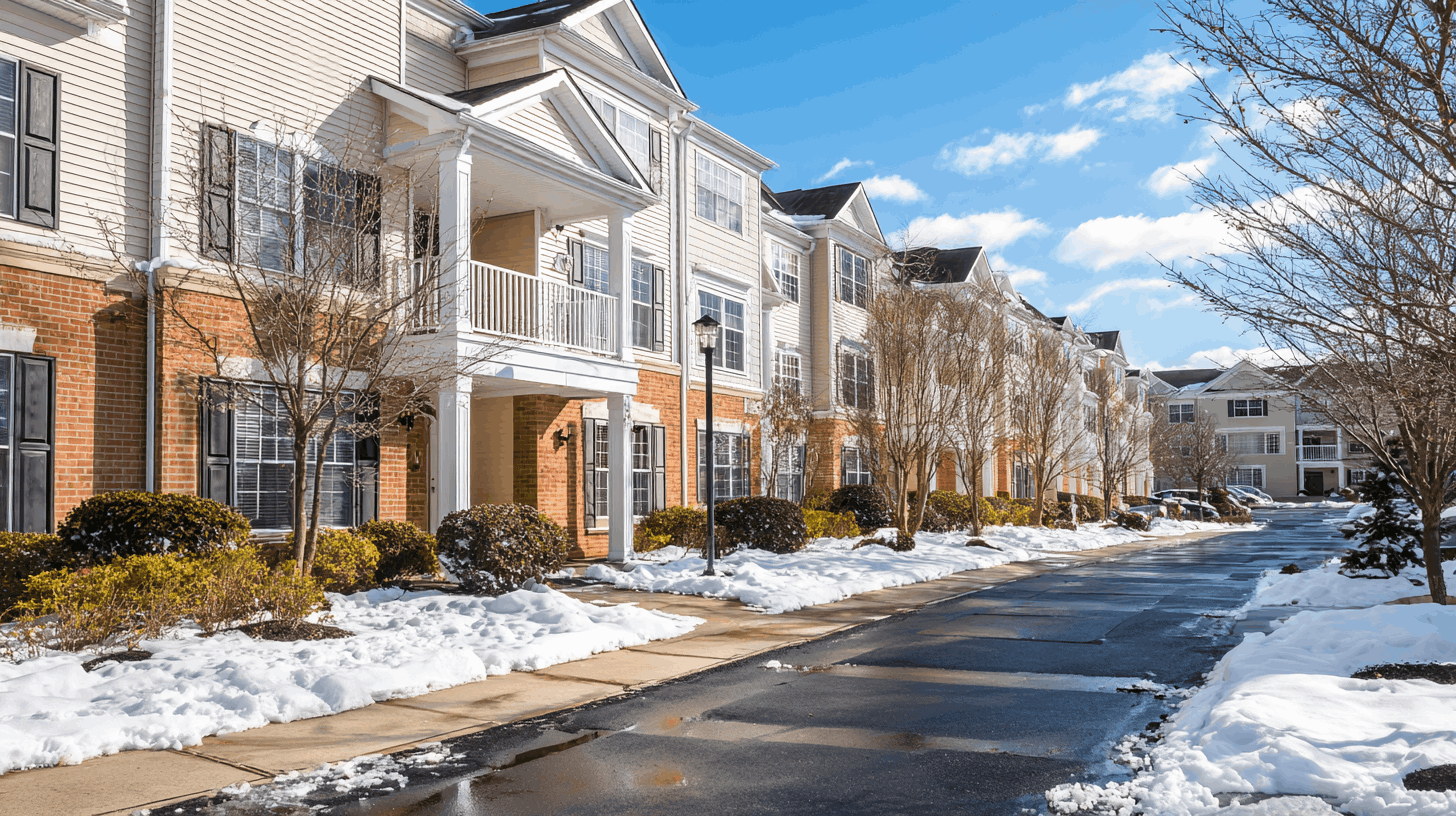
For many New Jersey downsizers, HOA fees can feel confusing or even intimidating. After years of paying a mortgage, property taxes, and maintenance costs directly, the idea of a monthly association fee often raises questions.
Understanding how HOA fees work and what they actually cover helps you decide whether a condo or townhome fits your lifestyle and budget.
What HOA Fees Are Designed to Cover
HOA fees exist to maintain shared spaces and systems within a community.
In New Jersey, HOA fees commonly include:

- Exterior maintenance, such as roofs, siding, and walkways
- Landscaping and snow removal
- Common area utilities and lighting
- Trash removal
- Property management services
What is included varies by community, which is why details matter.
What HOA Fees Usually Do Not Cover
It is just as important to understand what HOA fees do not include.
Typically excluded are:
- Property taxes
- Interior repairs and upgrades
- Homeowner insurance for personal belongings
- Utility costs inside your unit
This distinction helps prevent unrealistic expectations when comparing monthly costs.
Why HOA Fees Vary So Widely
Two similar-looking communities can have very different HOA fees.
Factors that influence fees include:
- Age of the buildings
- Size of the community
- Amenities such as elevators, pools, or clubhouses
- Level of professional management
- Reserve funding practices
Higher fees do not automatically mean better value. Lower fees do not automatically mean poor management—contextmatters.
Reserve Funds and Special Assessments

One of the most important aspects of an HOA is its reserve fund.
Reserve funds are savings set aside for large future expenses, such as:
- Roof replacement
- Parking lot resurfacing
- Major exterior repairs
If reserves are low, homeowners may face special assessments.
Questions worth asking:
- Are reserve funds adequately funded?
- Has the HOA issued special assessments in the past?
- Are major repairs planned?
Strong reserves often signal responsible long-term planning.
HOA Fees and Lifestyle Trade-Offs 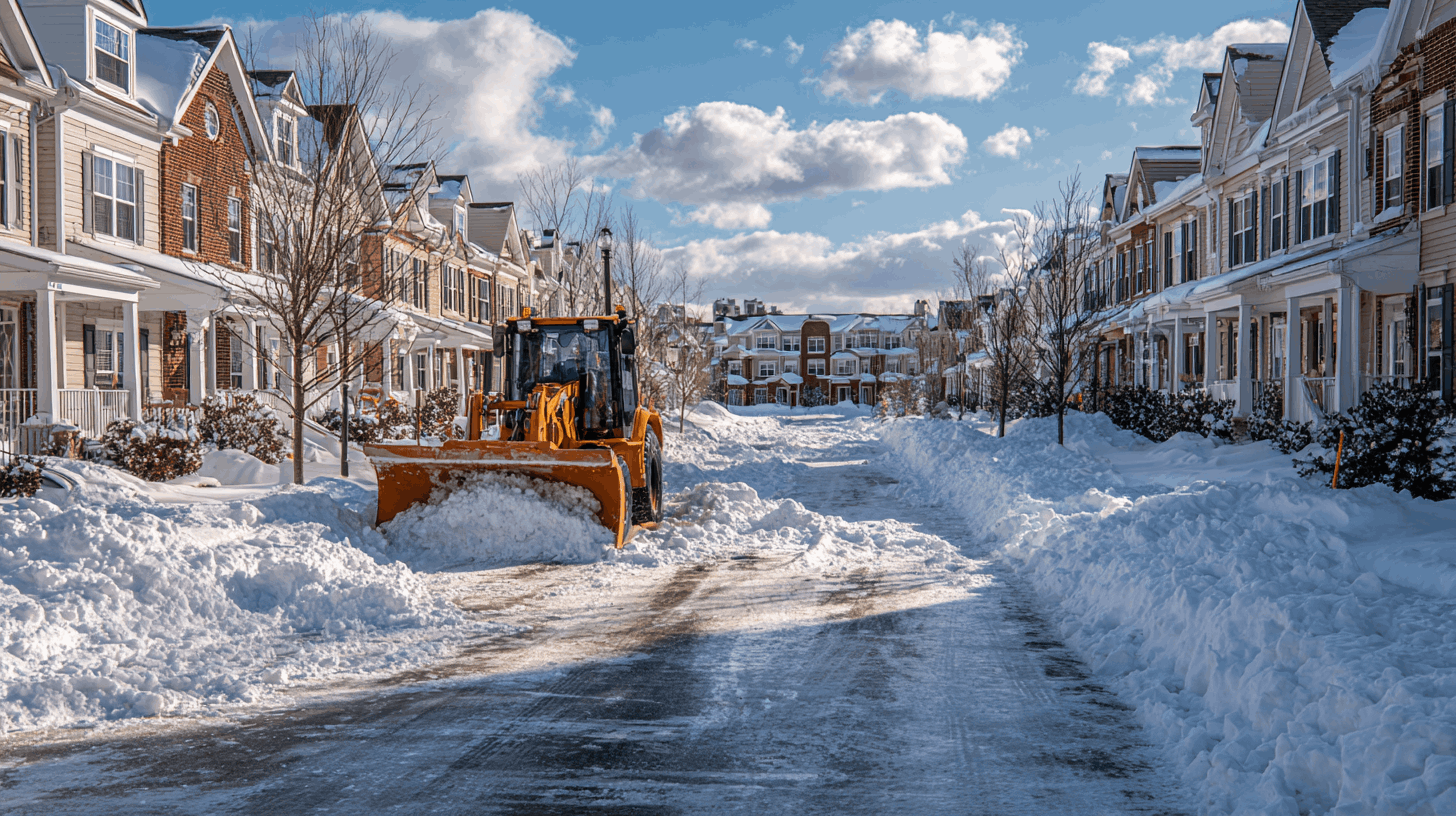
HOA fees can replace expenses you previously handled yourself.
Many downsizers find that HOA fees cover costs such as:
- Lawn care
- Snow removal
- Exterior maintenance
- Some insurance elements
When viewed this way, HOA fees are often a shift in how costs are paid rather than an entirely new expense.
Rules, Flexibility, and Daily Living
HOAs operate with rules designed to maintain community standards.
Common rules address:
- Noise levels
- Exterior appearance
- Use of common spaces
- Renovation approvals
These rules are not meant to restrict enjoyment, but they should align with how you prefer to live.
Comparing HOA Living to Other Downsizing Options
HOA communities are not right for everyone.
Some downsizers prefer:
- A small single-family home with full control
- A townhome with limited shared responsibilities
- Aging-in-place modifications in their current home
The best choice depends on your comfort with shared decision-making and predictable monthly costs.
Final Thought
HOA fees are not just an added expense. They are part of a broader lifestyle exchange.
When you understand what is included, what is excluded, and how the HOA is managed, you can decide confidently whether this type of living supports your next chapter.
Want Help Reviewing HOA Details Before You Decide?
If you are considering a condo or townhome and want help reviewing HOA documents or comparing communities, I am happy to guide you through the details clearly and calmly.
Monia Stratman, Realtor® | Epique Realty
📞 862-881-9191
📧 MoniaStratman@epique.me
Categories
Recent Posts



GET MORE INFORMATION