
How to Know If Downsizing Will Really Save You Money in NJ
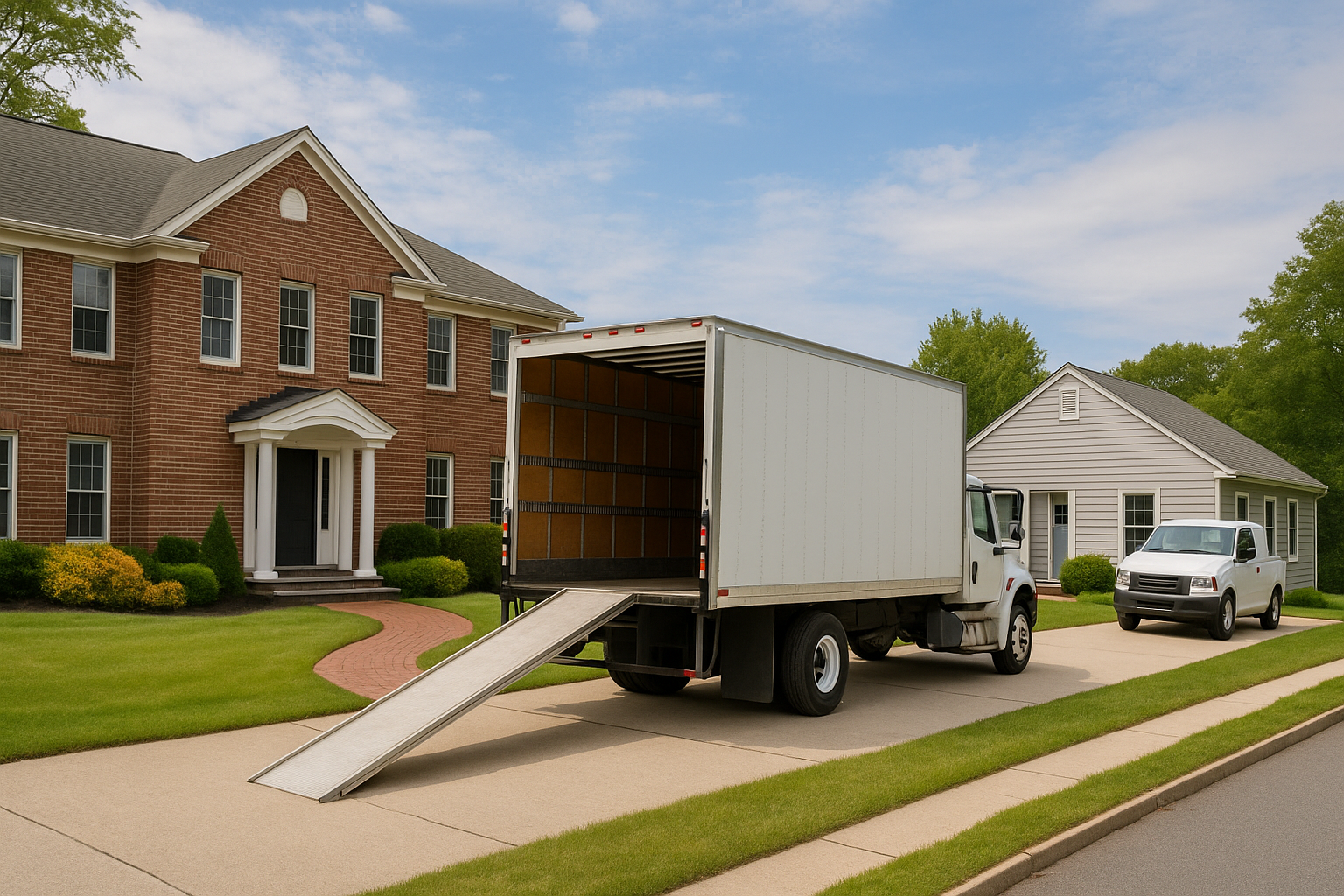
How to Know If Downsizing Will Really Save You Money in NJ
If you’ve lived in your New Jersey home for 20–30+ years, you might be wondering: Will downsizing actually save me money—or just trade one set of costs for another?
Short answer: for many long-time owners, yes, downsizing can meaningfully lower annual expenses. Here’s how to evaluate it using real NJ numbers.
1) Property taxes: the biggest lever
New Jersey has the highest property tax burden in the country. The statewide average residential tax bill in 2023 was $9,569, but many towns in Union and Essex Counties run much higher (e.g., Springfield $12,501; Westfield $17,931; Livingston $16,892; Montclair $21,416). (NJ.gov)
Rule of thumb: Smaller home or condo = lower assessed value = lower annual tax bill.
If you’re currently paying $16,000–$20,000 a year and can move to a home that carries a $8,000–$12,000 bill, you could free up $4,000–$10,000+ per year, before touching any other expense.
Bonus: NJ offers senior relief programs like Senior Freeze (PTR) and ANCHOR that can offset part of the bill, but they rarely erase the savings you get by moving to a lower-tax property. (NJ.gov)
2) Maintenance & repairs: size matters
Bigger houses cost more to operate and maintain—roofs, driveways, HVAC, exterior paint, snow removal, landscaping. Industry and survey data consistently show maintenance and operating costs scale with home size and age. Even national averages show homeowners spend ~$1,000+ on maintenance alone, with other operating costs rising as homes get larger. Downsizing trims both the frequency and the scope of what you must fix or replace. (National Association of Home Builders)
Condo/55+ trade-off: You’ll likely pay an HOA fee (see #4), but your personal out-of-pocket expenses for big-ticket items and weekly chores usually drop.
3) Utilities & insurance: smaller envelope, smaller bills
A smaller footprint typically means lower heating/cooling and insurance. Energy prices vary, but the math is simple: conditioning fewer square feet, fewer exterior walls/windows, and newer systems = less spending across seasons in NJ’s climate. (Newer condos/townhomes often benefit from shared walls and better insulation.)
4) HOA/condo fees: know what you get
HOA fees in NJ can be substantial (many communities land in the mid-hundreds per month), but they often cover la
ndscaping, snow removal, exterior insurance, amenities, and sometimes water/trash—costs you’d otherwise shoulder or manage yourself. Nationally, typical HOA dues often run a few hundred dollars per month; NJ communities—especially full-amenity or luxury 55+—can run higher. Compare apples to apples for your target community. (Ruby Home)
5) Market timing: protecting your equity
Your equity is your engine. New Jersey’s typical home value was about $562,000 recently, and timing your sale in a still-healthy market can help you capture more equity for your next (smaller) purchase—or for cash flow and travel. (Zillow)
A quick, real-world savings example (NJ numbers)
Current home (example) – Springfield, Union County
- Annual property tax: $12,501 (2023 avg.) (NJ.gov)
- Maintenance/repairs/yard/snow (conservative): $2,500–$4,000/yr (older SFH) (National Association of Home Builders)
- Utilities/insurance delta vs. smaller home (est.): $1,000–$1,500/yr extra
Target downsize – newer condo/townhome (Union/Essex/Morris)
- Annual property tax (illustrative): $8,500–$11,000 (varies by town/complex)
- HOA: $400–$700/mo = $4,800–$8,400/yr (covers exterior, snow, landscape, amenities) (Ruby Home)
- Maintenance: mostly interior (many big items handled by HOA)
Net effect (illustrative):
- You might cut taxes by ~$2,000–$7,000/yr.
- You add HOA, but shed most exterior costs and reduce utilities/insurance.
- For many clients, total annual out-of-pocket drops $2,000–$6,000+, plus they gain time and peace of mind (no more shoveling or roof quotes).
Every community is different,so the key is to compare your real numbers (current taxes + maintenance + utilities + insurance) against the actual HOA + taxes of the condo/townhome you’re considering.
Don’t forget NJ senior tax relief
If you’re eligible for Senior Freeze (PTR) and ANCHOR, factor those benefits into both scenarios—your current home and any prospective purchase. Relief helps, but it usually doesn’t outweigh the structural savings of a lower-tax, lower-maintenance property. (NJ.gov)
The bottom line
Downsizing in NJ often does save money—especially if you’re moving from a high-tax, maintenance-heavy single-family home to a right-sized condo or 55+ community. The largest drivers are property taxes, maintenance, and utilities/insurance; HOA is the key trade-off, but it frequently replaces costs you’re already paying (and the labor you’re tired of coordinating).
If you’d like, I can run your exact numbers (by town and building) so you can see a side-by-side “Stay vs. Downsize” comparison with real taxes and typical HOA ranges for Union, Essex, and Morris County communities.
Sources
- NJ Treasury, Average Residential Tax Bill by Municipality (2023)—state average and town figures (e.g., Springfield, Westfield, Livingston, Montclair). (NJ.gov)
- ATTOM, 2024 U.S. Property Tax Analysis—Essex County among highest average tax bills nationally. (ncbankruptcyexpert.com)
- Zillow, New Jersey Home Values (2025)—typical NJ home value. (Zillow)
- NAHB / Operating Cost data—maintenance/operating costs rise with home size. (National Association of Home Builders)
- RubyHome (HOA stats) & regional reporting—typical HOA ranges; NJ often higher for full-amenity communities. (Ruby Home)
- NJ Treasury, Senior Freeze (PTR); Kiplinger summary of ANCHOR timeline for 2025. (NJ.gov)
Categories
Recent Posts


GET MORE INFORMATION